
Episode 9: How to Stop Seeking External Validation
In this episode, we explore why seeking external validation is a fleeting and often self-sabotaging habit. We’ll dive into how to build lasting self-assurance and find contentment from within by fostering self-love, setting boundaries, and celebrating inner wins. Recognizing your intrinsic value and breaking free from the cycle of comparison and dependency on others’ approval is key to true self-confidence.
4/15/20254 min read
1. The Vicious Cycle of External Validation
Why It’s a Problem:
Seeking validation from others creates dependency. Your happiness and self-worth depend on others’ opinions, which are often inconsistent and out of your control.
It’s a temporary fix, like a sugar rush, leaving you perpetually chasing the next “hit” of approval, which can lead to anxiety, self-doubt, and even imposter syndrome.
Impact on Personal Growth:
When you rely on external approval, you may avoid risks and challenges that could lead to growth, fearing that failure will result in rejection.
You end up prioritizing what others think over what truly matters to you, preventing you from developing a strong sense of identity and personal fulfillment.
Quote:
“You can’t base your self-worth on someone else’s scoreboard.”
Real-Life Example: Major Rejection by Blockbuster
Netflix launched in 1998 with a new idea for online DVD rentals, but Blockbuster rejected their offer in 2000. Despite the rejection, Netflix founders believed in their vision and were determined to build their brand on their own terms. Today, Netflix is a global entertainment leader, while Blockbuster faded into obscurity. The lesson? External rejection doesn’t define your potential—your belief in yourself does.
2. Why External Validation is Fleeting
Psychological Insights:
Research from Edward Deci and Richard Ryan (Self-Determination Theory, 1985) highlights that true motivation stems from intrinsic factors like autonomy and competence—not external praise.
A 2016 study in the Journal of Personality and Social Psychology found that external validation can lead to feelings of inadequacy over time, as external praise often does not align with authentic self-perception, making you feel like you’re never "good enough."
Why It Hurts Long-Term:
The more you rely on others’ approval, the more power you give away. Instead of building inner strength, you become vulnerable to external criticism and praise alike.
Over time, this can lead to a fragile sense of self-worth that fluctuates depending on other people’s opinions, leaving you emotionally exhausted.
Analogy:
External validation is like a sandcastle — beautiful for a moment but easily washed away by the tide. Real confidence is like bedrock—it remains solid regardless of external conditions.
Actionable Tip:
Reflect on how often you seek approval from others and ask yourself, “Am I doing this for me or for them?” Recognising when you seek external approval can help break the cycle and shift your focus inward.
3. Building Confidence from Within
Developing Self-Assurance:
Create a “self-gratitude journal” or simply reflect on moments you’re proud of yourself. Write three things daily that make you proud, big or small.
Identify your unique strengths—qualities or skills you bring to the table—and practice celebrating them.
Research Insight:
Kristin Neff’s research on self-compassion (University of Texas at Austin, 2011) shows that self-kindness and mindfulness are critical for building internal confidence. Neff found that people who practice self-compassion experience lower anxiety and greater resilience because they are not as reliant on external validation.
4. Build Your Character
Why It Matters:
Your character, values, and principles are things that no one else can take away from you. When you define who you are and what you stand for, external opinions lose their grip on your self-worth.
Impact on Personal Growth:
Knowing your core values helps you make decisions with clarity and confidence, reducing anxiety about what others think.
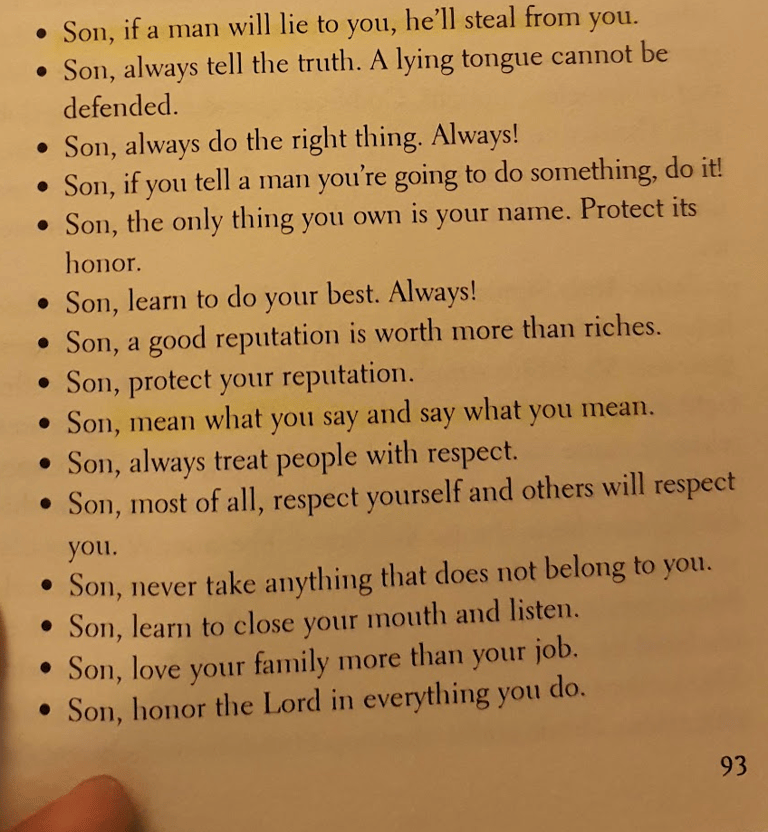
NON NEGOTIABLES — apply in all areas life, marriage, career, friendships
It allows you to navigate life with integrity, making choices based on what’s right for you rather than what will get you the most approval.
Exercise:
Define your top three values and let them guide your decisions. When you make choices based on these values, you strengthen your authenticity and self-assurance.
Book Recommendation:
Lessons from a Third Grade Dropout – A book that emphasises strong character and self-worth over external validation.

5. Rewiring the Need for Validation
Key Actions to Take:
Set boundaries on social media use: Stop letting likes and comments dictate your worth. Instead, focus on meaningful offline connections.
Surround yourself with people who encourage self-growth: Build a circle of people who uplift you for who you are—not for what you do.
6. Anchor in Self-Validation
Challenge:
Write down three things you love about yourself right now—without anyone else’s input. E.g. patient? Kind? Great listener? Reflect on how it feels to focus on your own validation.
Encouraging Bible Verse:
“For we are God’s handiwork, created in Christ Jesus to do good works, which God prepared in advance for us to do.” – Ephesians 2:10 (NIV)
This verse reminds us that our worth is intrinsic and defined by God’s design, not by external opinions or validation. It’s a reminder that we are fearfully and wonderfully made.
Closing Thought:
True confidence doesn’t come from applause; it comes from knowing you’re enough even without it. Trust in yourself, value your worth, and remember that you don’t need anyone else’s approval to feel complete.
Affirmation/Self-Appreciation Statement:
"I am strong, I am worthy of love, I am courageous. I celebrate the progress I make every day, no matter how small. I no longer seek approval from others to know my worth."
References:
Deci, E.L., & Ryan, R.M. (1985). Intrinsic motivation and self-determination in human behavior. Springer Science & Business Media.
Neff, K. (2011). Self-Compassion: The Proven Power of Being Kind to Yourself. William Morrow Paperbacks.
Ryan, R.M., & Deci, E.L. (2000). "Self-determination theory and the facilitation of intrinsic motivation, social development, and well-being," American Psychologist, 55(1), 68-78.
Masten, A.S. (2001). Ordinary Magic: Resilience in Development. The Guilford Press.
Journal of Personality and Social Psychology (2016). “The influence of external validation on intrinsic motivation and well-being.” Journal of Personality and Social Psychology, 110(4), 681-692.
Rigsby, R. (2019). Lessons from a Third Grade Dropout: How the Timeless Wisdom of One Man Can Impact an Entire Generation. Thomas Nelson.